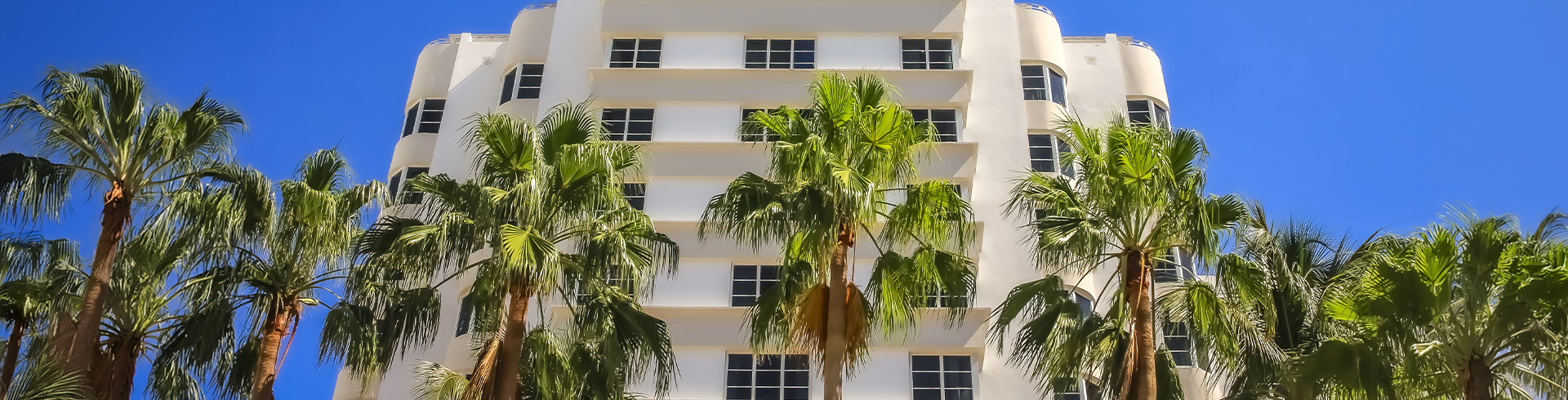
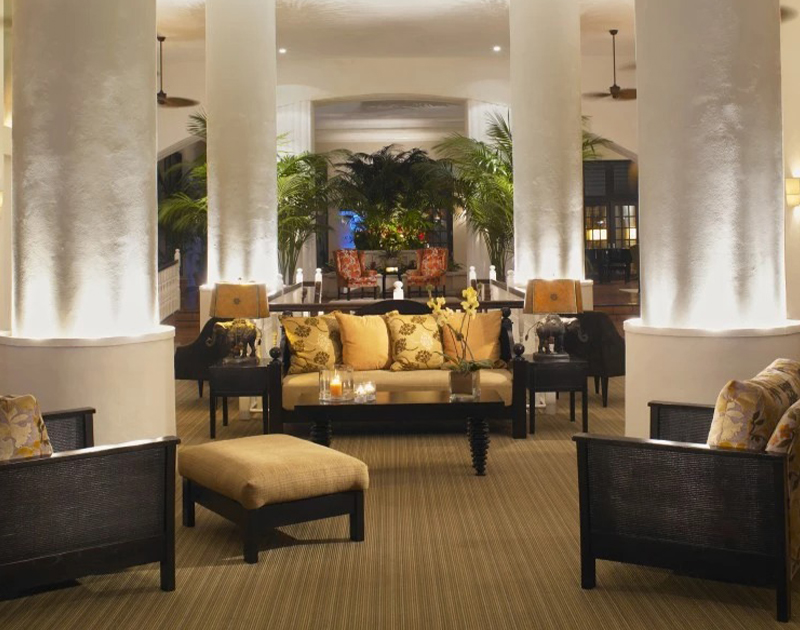
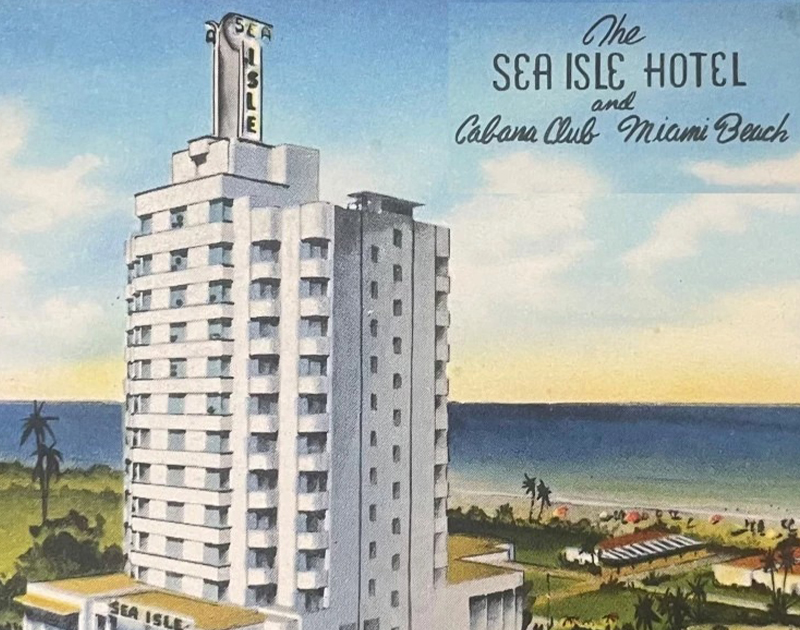
Designed by architect Roy F. France, the hotel remains a hallmark of the city’s Art Deco heritage for more than eight decades. Today, under family ownership, it continues to honor that legacy, reimagined through a modern lens of wellness, sustainability, and connection to nature. Follow the timeline of our hotel's evolution in the context of our magic destination's history.
2011- Now: Focus on Wellness & Sustainability
2023: Joining Beyond Green, a collection of Planet Earth’s Most Sustainable Hotels
2022: Achieving Green Globe Certification
2018, 2020, and 2023: Hosting of Slow Food Miami’s Snail of Approval Freshest Night Out and receiving the Snail of Approval for sustainability efforts
2014: Green Key & Green Key Meetings certification
2014: Greater Miami Hotel Association Sustainable Communication & Education Award
2013: Hosting South Beach Wine & Food’s Farm-to-Table Brunch
2010: Repositioning as The Palms Hotel & Spa
Completion of another major renovation
Addition of The Palms AVEDA Spa and Essensia Restaurant & Bar signature natural gourmet dining concept
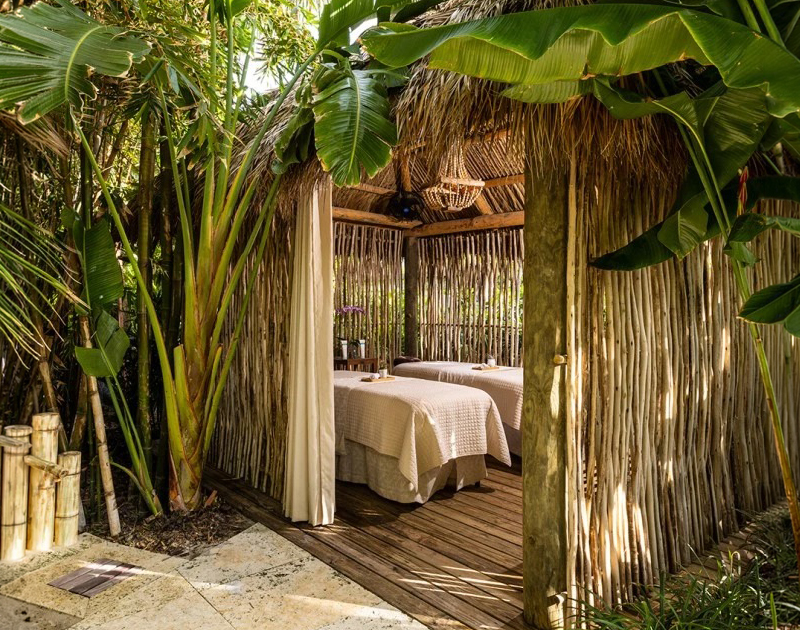
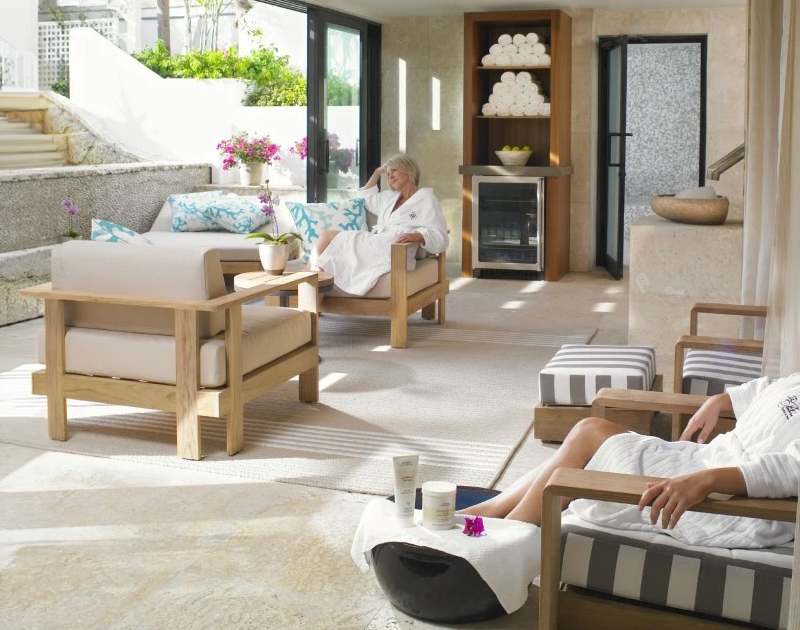
Creation of Mission: To provide a guest experience of total well-being, inspired by nature
Embarking on a sustainability path as one of the first Florida Green Lodging Program participants, a Tripadvisor Green Leader and Green Key accredited property
Hosting prestigious events such as the South Beach Food & Wine Festival farm-to-table brunch and Art Basel closing party
Joining Preferred Hotels & Resorts “Lifestyle” Collection for hotels with approachable luxury, chic style and local flair
2001: Renaming to The Palms South Beach
Completion of extensive renovations and renaming to The Palms South Beach
Focus on a new domestic and international markets, meetings and weddings
Hosting a variety of important events, such as the Miami Heat Family Festival in 2006, the Elite Model Look USA Finals, a performance by famous Cuban pianist Paquito Hechavarria, and many more.
1992: Reopening As The Miami Beach Ocean Resort
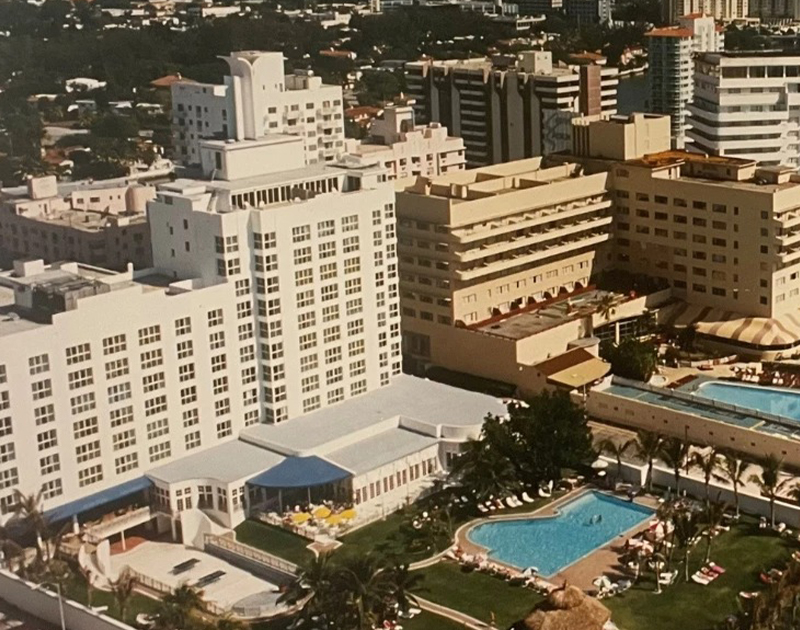
Under new ownership by German travel industry entrepreneurs Hans-Joachim and Ursula Krause, the Sea Isle undergoes extensive renovations and reopens its doors to mainly German tourists as The Miami Beach Ocean Resort in the summer of 1992.
The renovated hotel was the first property on Collins Avenue to extend its gardens all the way to the wooden boardwalk, prioritizing green space and tropical landscaping.
Category 5 Hurricane Andrew hits Miami but the hotel was miraculously spared.
1984: The Sea Isle Closes
The Sea Isle closes its doors and almost undergoes demolition after a fire destroys much of its interiors.
The popular NBC TV show Miami Vice is filmed in many locations in Miami and Miami Beach for five seasons between 1984 and 1989. Today it is credited with the renewed interest in Miami as a tourist destination.
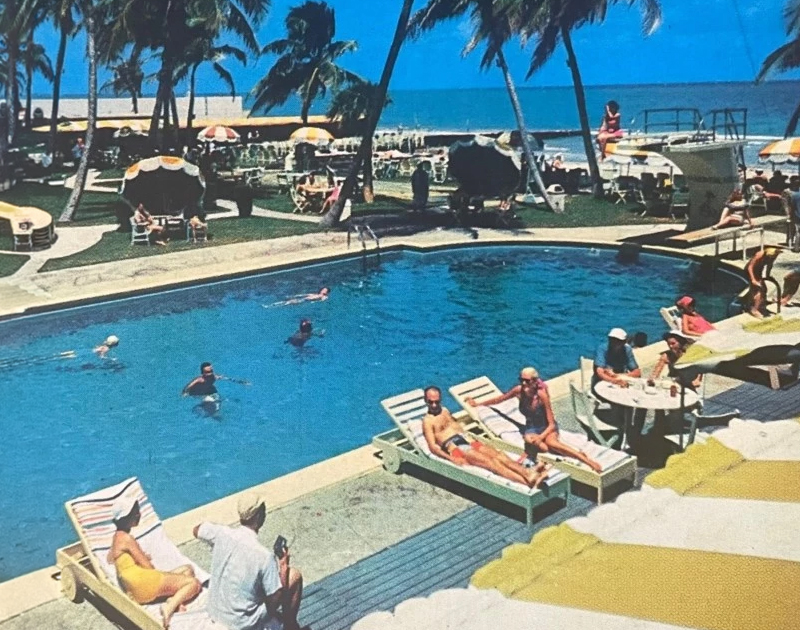
1950's-1980's: The Sea Isle and Miami Beach Flourish
1979: Much of Miami South Beach area becomes a historic preservation zone.
1964: The Beatles come to Miami Beach to perform on the Ed Sullivan show
The Jackie Gleason show moves to Miami Beach.
1963: The Hotel receives the Gourmet Society Culinary Merit Award for culinary quality.
1961: The Julia Tuttle Causeway between Miami and Miami Beach opens.
1959: Miami International Airport opens
1958: The Miami Beach Convention Center opens.
1950: After the conclusion of the war, the Sea Isle expands its arts and entertainment options, adding a modern shopping plaza.
1940's: The Sea Isle Hotel Is Born
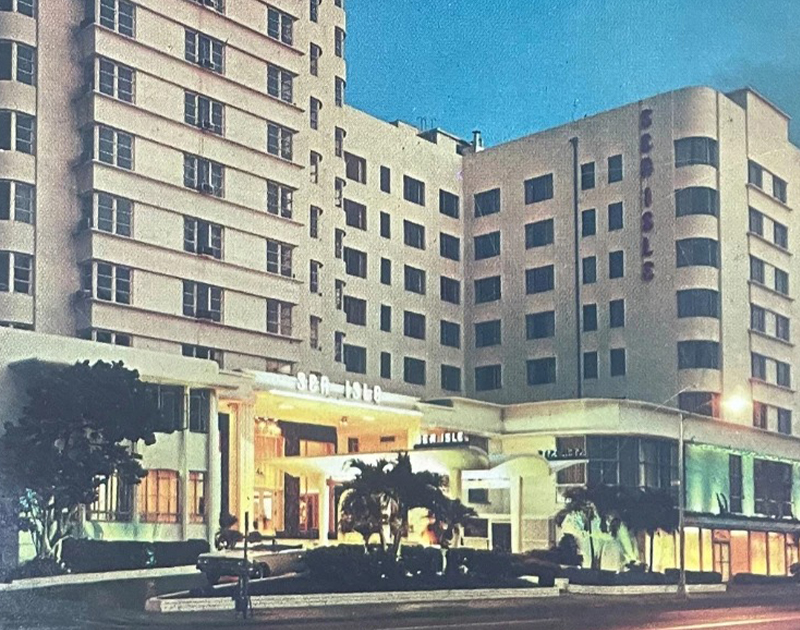
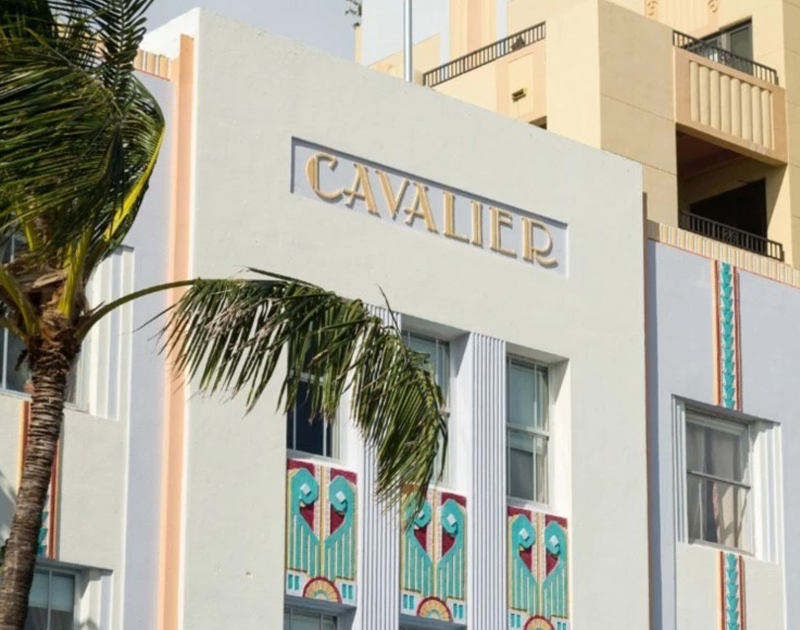
Designed by notable Illinois architect Roy F. France in the Streamline Moderne style, the hotel opens its doors as the Sea Isle Hotel. France is credited with the design of various historic masterpieces throughout Miami Beach, including the Cavalier Hotel, the St. Moritz Hotel, the National Hotel, the Lord Baltimore Hotel, the Saxony Hotel, the Versailles Hotel, the Cadillac Hotel, and many others.
The original owners were Ben Turchin and Morris Swinger, who had previously owned and operated the Sands and Edgewater Beach Hotels.
The property originally opened with “135 rooms, a sun room, and pool and cabana club”, according to a 1940 Miami Herald newspaper article. The following years saw an addition of 126 rooms, a cocktail lounge, a game room, a men’s lounge, a roof garden, and an observation deck.
During WWII, it played a significant role in providing valuable services for enlisted men, such as dances/musical entertainment, outdoor movie viewings, and various religious services.
1930's: Art Deco Historic District Development
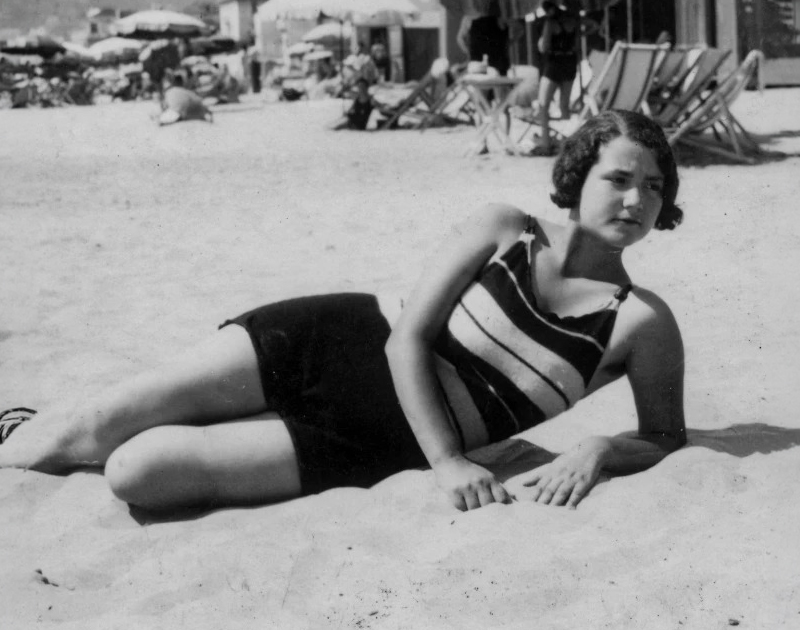
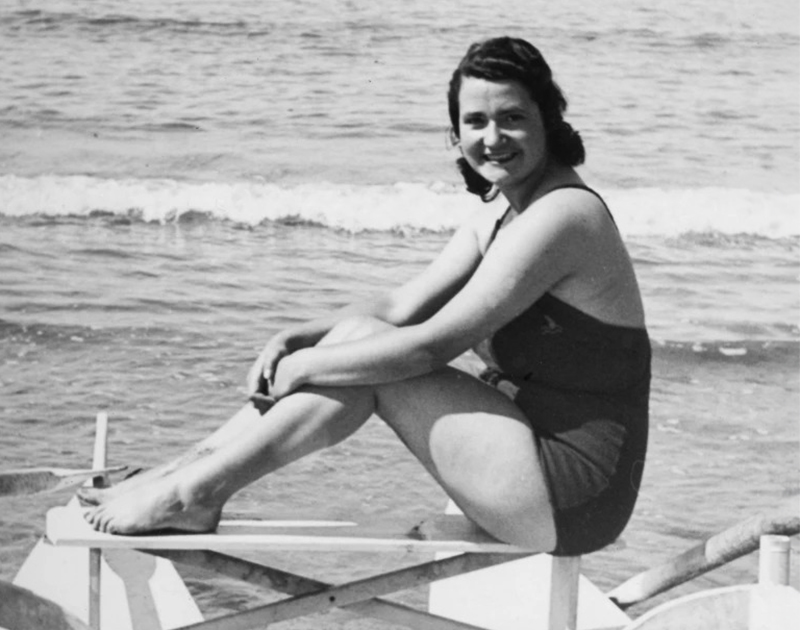
Miami Beach’s Art Deco starts gaining momentum and investors constructed the mostly small-scale, stucco hotels and rooming houses, for seasonal rental, that comprise much of the present "Art Deco" historic district.
1935: Many of the famous Art Deco hotels along current day Ocean Drive are built between 1935 and 1941 before the onset of WWII ends construction.
Colony (1935), Savoy Plaza (1935), The Tides (1936), Surf Hotel (1936), Beacon (1936), Cavalier (1936), Leslie (1937), Park Central (1937), Barbizon (1937), Waldorf Towers (1937), Victor (1937), Clevelander (1938), Crescent (1938), Carlyle (1939), Cardozo (1939), Winterhaven (1939), Bentley (1939), Breakwater (1939), Imperial (1939), Majestic (1940), Avalon (1941), Betsy Ross Hotel (1941), St. Charles (1941), Clyde Hotel (1941).
1920's: Development of Miami Beach as a Resort Town
1928: Al Capone buys property in Miami Beach.
1925: Venetian Causeway replaces the Collins Bridge
1920: County Causeway (now MacArthur Causeway) connecting Miami and Miami Beach opens.
1910’s: Miami Beach Is Born
The Collins/Pancoast families see the potential in developing the beach as a resort together with the Lummus brothers and Indianapolis entrepreneur Carl G. Fisher making the beach a destination for day-trips by ferry from Miami, across the bay.
1917: Miami Beach becomes a City
1915: Town of Miami Beach becomes chartered and becomes incorporated
1913: The Collins Bridge, the world's longest wooden bridge at the time, connects the island to the mainland.
1896: City of Miami Is Founded
The City of Miami was founded with the recent arrival extension of Henry Flagler's FEC railroad